
Daniel
In 2017, Daniel* was introduced to a financial adviser through his parents, who had been working with the adviser for several years. Trusting their recommendation, Daniel was keen to simplify his superannuation and explore ways to invest for his children’s future, so he arranged an initial meeting.
At first, everything appeared sound. The adviser recommended that Daniel roll his superannuation out of an industry fund into a self-managed superannuation fund (SMSF), explaining that this would provide greater control and potentially stronger long-term returns.
Shortly after establishing the SMSF, the adviser suggested using the funds to purchase an investment property. However, after several months of searching without success, the strategy shifted.
As an alternative, the adviser recommended an investment fund that several other clients were already involved in, describing it as a reliable option offering steady growth and attractive returns. Reassured by this and by the adviser’s apparent track record, Daniel agreed to proceed.
Initially, the investment appeared to perform well. Daniel received regular reports outlining returns and felt confident that his adviser was actively managing the SMSF in line with his goals.
“One of the biggest motivators for me to lean on a finance professional was that I was so busy, and also that I am not an expert in this field,” Daniel explained.
However, over time, concerns began to surface. The regular payments Daniel had been receiving suddenly stopped, and attempts to contact the adviser became increasingly difficult.
When Daniel was eventually able to make contact, he requested that the investment be wound up. He was told that there would be a six-month waiting period before the funds could be returned.
As that period passed, the situation only worsened. The adviser repeatedly delayed the withdrawal, offering a steady stream of excuses. Communication became sporadic, then ceased altogether.
“There was always an excuse as to why there was a delay, and once the red flags began to appear, they just didn’t stop,” Daniel recalled.
“He didn’t answer his phone, didn’t respond to emails, and when I drove to his office, nobody was there.”
As the reality of the situation set in, Daniel became increasingly concerned—not only for his own financial position, but also for his parents and other investors who had been placed into the same arrangement. Through social media, he connected with a group of individuals facing similar circumstances, and together they attempted to recover their funds.
What followed was a prolonged and distressing process. Over 18 months, Daniel and other clients of the adviser faced ongoing uncertainty, significant legal costs, and a police investigation, with no resolution in sight.
Eventually, Daniel lodged a complaint with the Australian Financial Complaints Authority (AFCA). The authority found that the advice provided to Daniel had not been in his best interests and that the investment was inappropriate given his goals and circumstances. A determination was made in his favour.
However, by this point, the advisory firm was no longer operating. As a result, Daniel made a claim with the Compensation Scheme of Last Resort (CSLR). His claim was successful, and he received compensation in early 2026.
Investigations into the adviser’s conduct are ongoing. The adviser has since been permanently banned from providing financial services.
*Name changed for privacy
Related case studies

Adrian
In 2022, Adrian responded to a social media advertisement offering a free online superannuation health check. Unfortunately he received bad advice and went on to lose almost all of his retirement savings.

Emily
Emily and her partner engaged a financial adviser to assist them with growing their savings while juggling considerable mortgage stress. Unfortunately, the adviser provided deceptive advice to not only them, but multiple other clients.
Gary
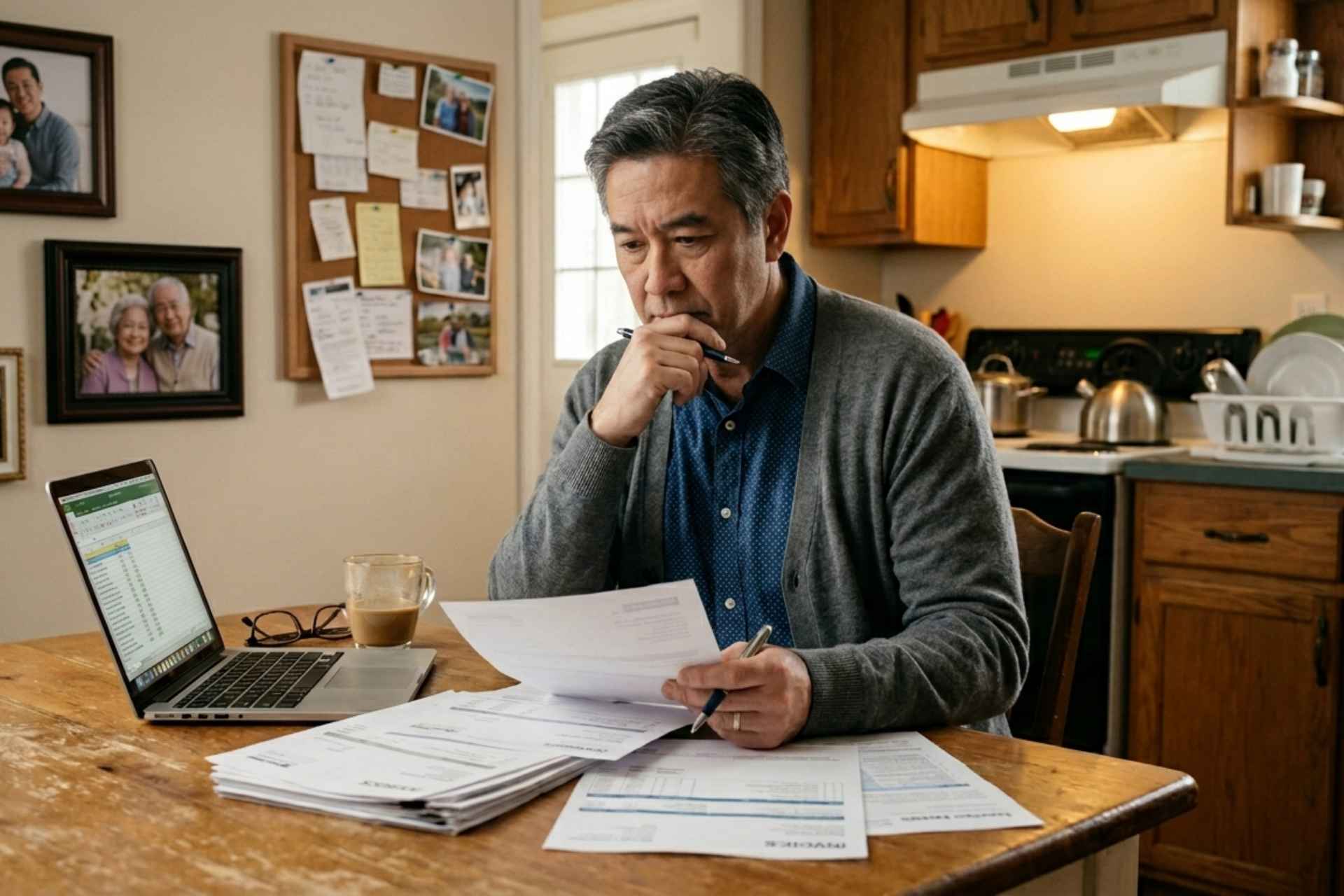
Despite strong recommendations from those close to him, and having done his own due diligence, Gary found himself a victim of deceptive conduct by the person he'd trusted to manage his investment.
Richard
Having worked with several advisers over the years, including one whose poor advice led to significant financial losses, Richard was acutely aware of the importance of choosing carefully. Based on the firm’s strong reputation, Richard selected a large, well‑known financial services provider, believing this would ensure stability and steady growth for his retirement nest egg.